Thank you for interest in my projects. Here you will find various projects that I have completed both academically and professionally. To view the project, please click on the items of interest below.
Sustainable Iowa Land Trust Outreach Program Evaluation
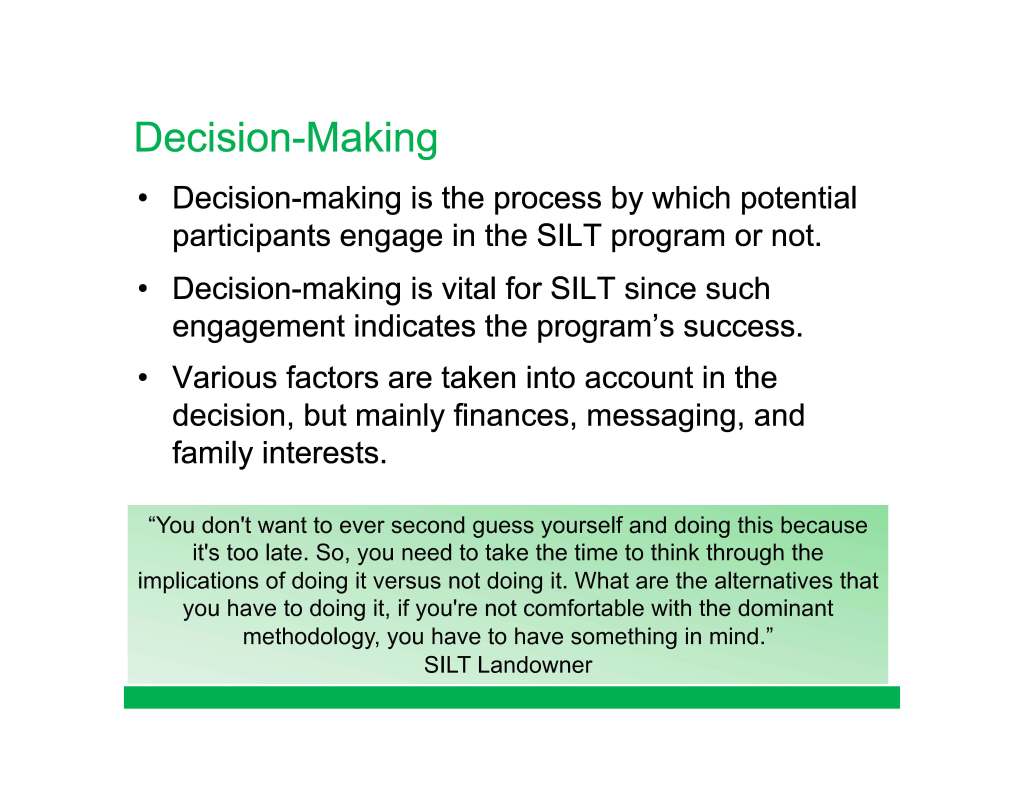
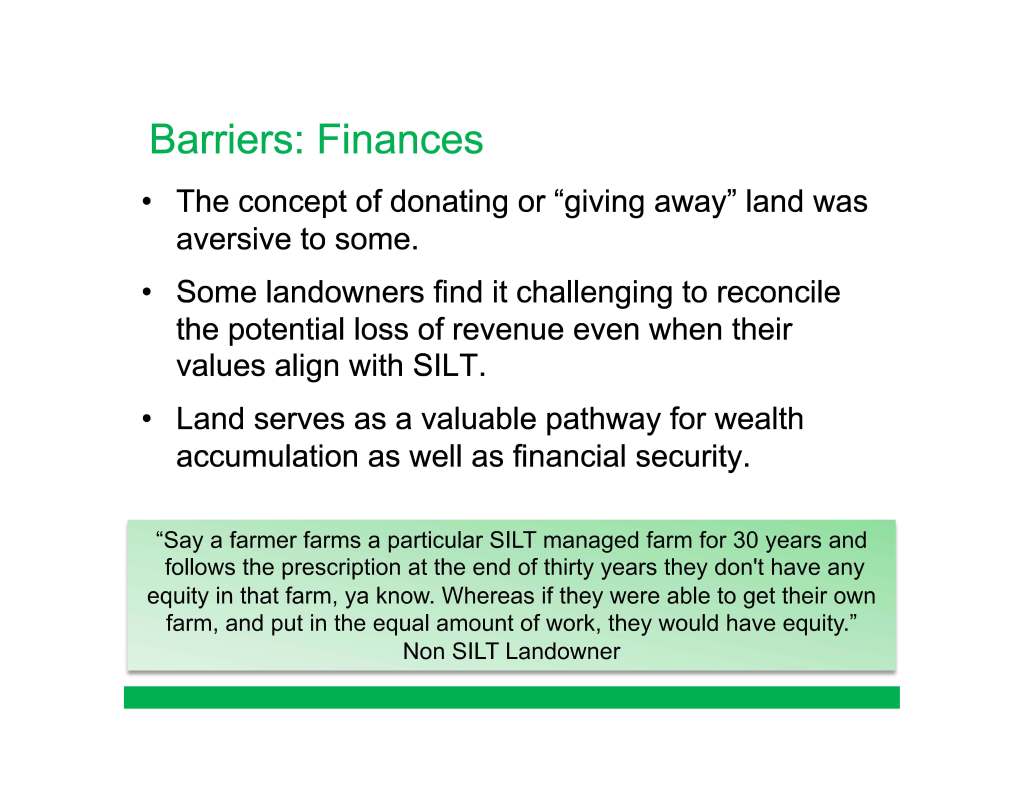
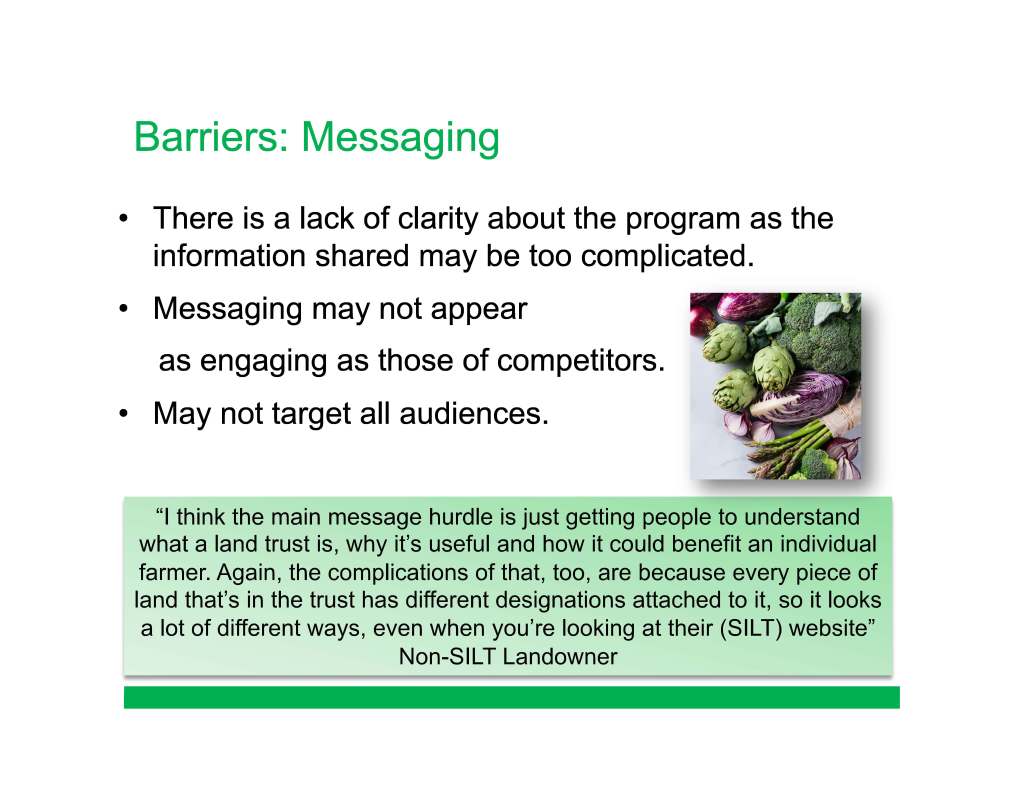
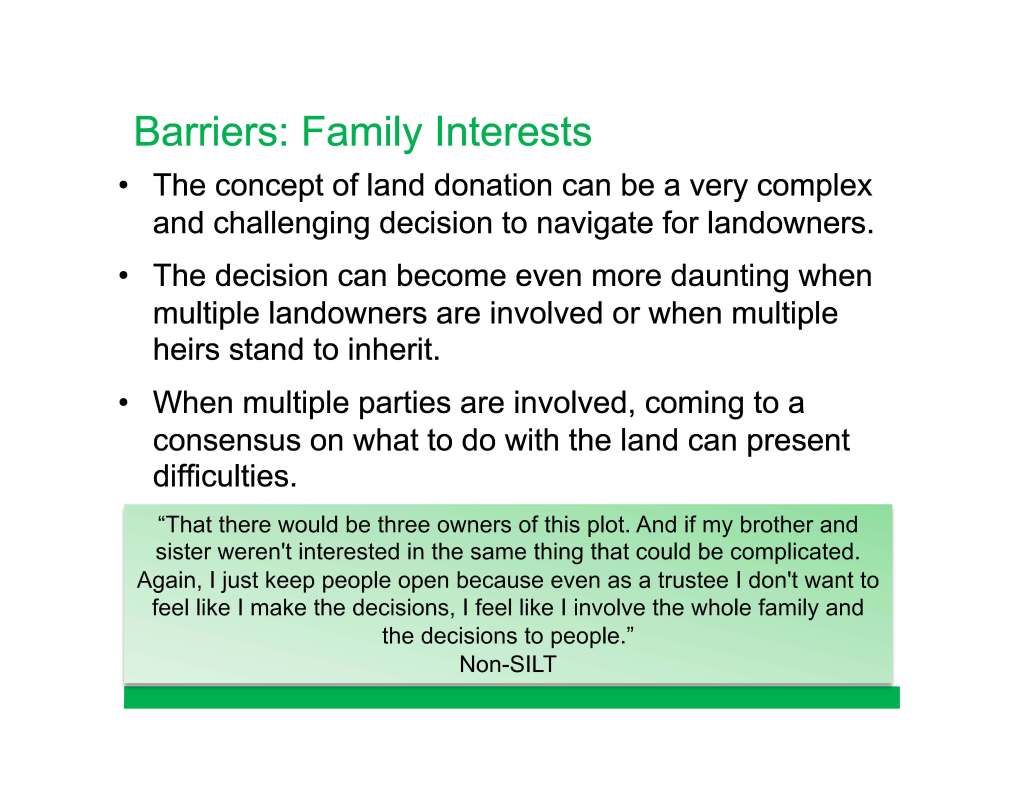
During the spring of 2022, I assisted in a study regarding messaging for the Sustainable Iowa Land Trust (SILT). The organization, which seeks to aid landowners and potential farmers in conserving lands for healthy food cultivation, sought to understand how their messaging methods contributed engagement and interest of the program. My role for the project was to interview participants of the program and outreach staff to gain better insight into their perspectives of program messaging. Furthermore, comprehending their experiences as a result of program messaging was also assessed. Once interviews were finalized, findings were analyzed, and recommendations were presented in the form of a PowerPoint presentation.

Anthropology News Article
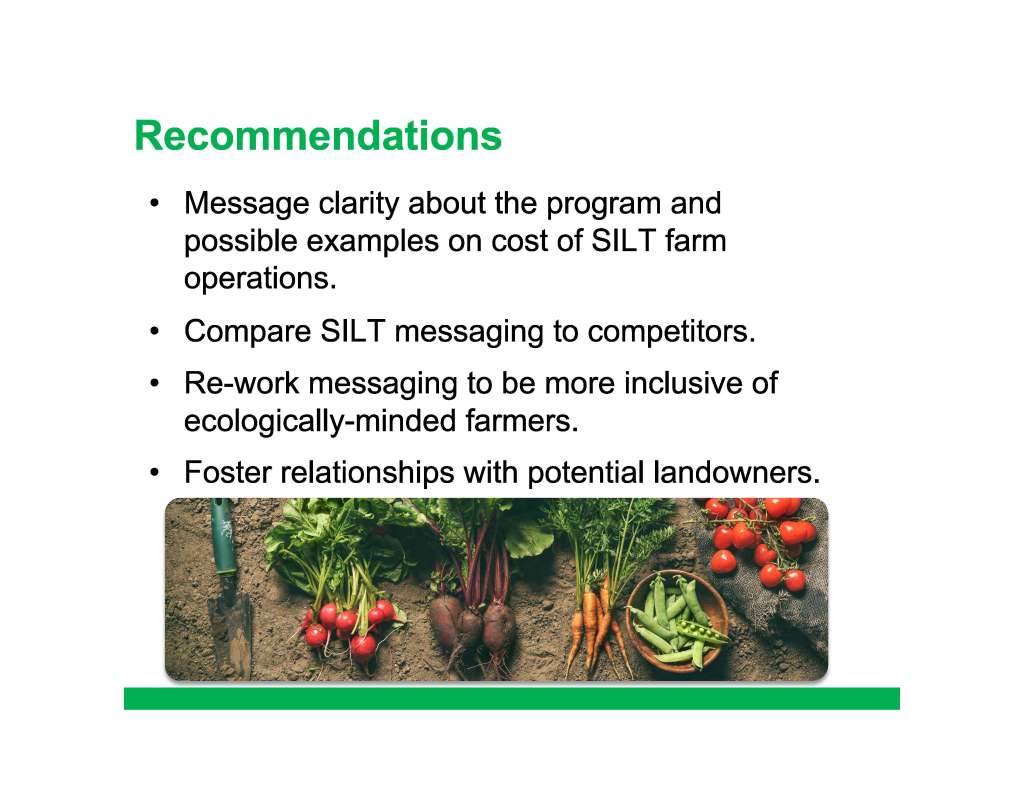
During the summer of 2021, I spent time writing an article for Anthropology News, a publication that is widely distributed to anthropology professionals both online and in print. The article is based on a study conducted during the fall of 2020 which focused on food insecurity issues college students experienced during the peak of the COVID-19 pandemic. Research was completed by my cohort and I under the direction of Dr. Lisa Henry, chair of the University of North Texas anthropology department.
Dr. Amanda Green, Assistant Professor of Anthropology at Eastern Kentucky University, aided me during the submission process. You can find the link to the article below.
Argentina: Land of Ecological Wonders – A Short Report
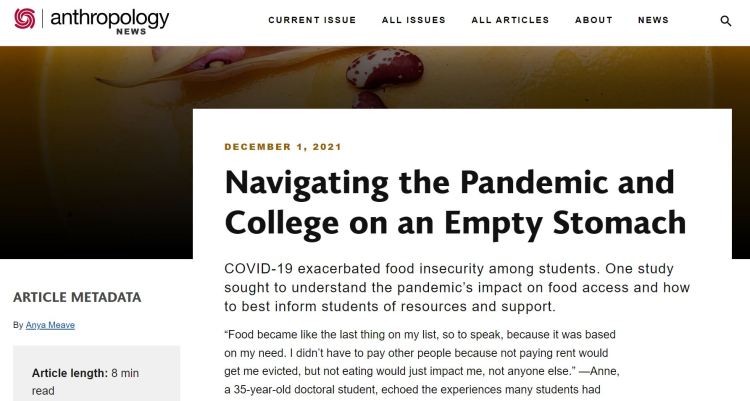
In my efforts to continue refining my ArcGIS and Adobe InDesign skills, I created a second short report that discusses the various ecological landscapes present throughout the South American country of Argentina. Similar to California, Argentina displays a range of climates such as deserts and mountains, but Arctic tundra make Argentina uncomparable to California and many places around the globe.
The creation of this short report was inspired by my thesis project that I am currently working on for my environmental anthropology graduate studies at the University of North Texas. The information in this short report is presented in a manner that is meant to be accessible to all readers.
California: Native Plant Diversity Haven – A Short Report
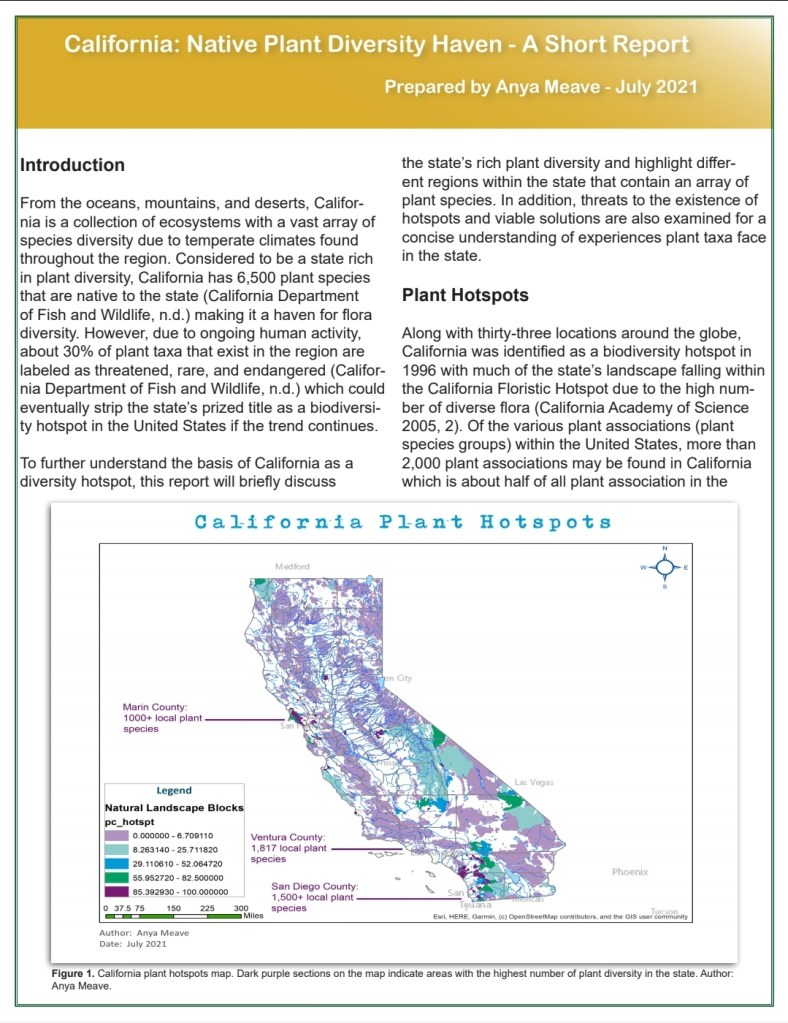
During the summer of 2021, I challenged myself to learn two new programs: ArcGIS and Adobe InDesign. To display my new skills, I created a report that focuses on California’s rich plant diversity. The short report discusses why the state is considered a floristic hotspot and where high rates of flora diversity are located. Additionally, images of local plants are also displayed as well as an eye-catching infographic I created. I hope to produce more short reports in the future to share with people on this website and across social media platforms to make academic information more accessible to the general public which is an important goal modern anthropologist, such as myself, hope to achieve.
Environmental Perspectives Argentina and the United States:
As an Environmental Anthropologist, I share a deep understanding and concern for the environment. Being Mexican, I am especially interested in the environmental perspectives inhabitants across the Americas have toward the planet.
During the spring of 2021, I, along with three classmates, conducted quantitative research to compare the environmental perspectives residents in Argentina and the United States foster. Our research question focused on understanding which country values the environment more and what variables listed in the World Values Survey were associated with caring for nature and saving life resources. We formulated our hypothesis as:
“Countries with less prominent neoliberal values are more likely to self-identify with caring for the environment as compared to countries with stronger neoliberal beliefs.”
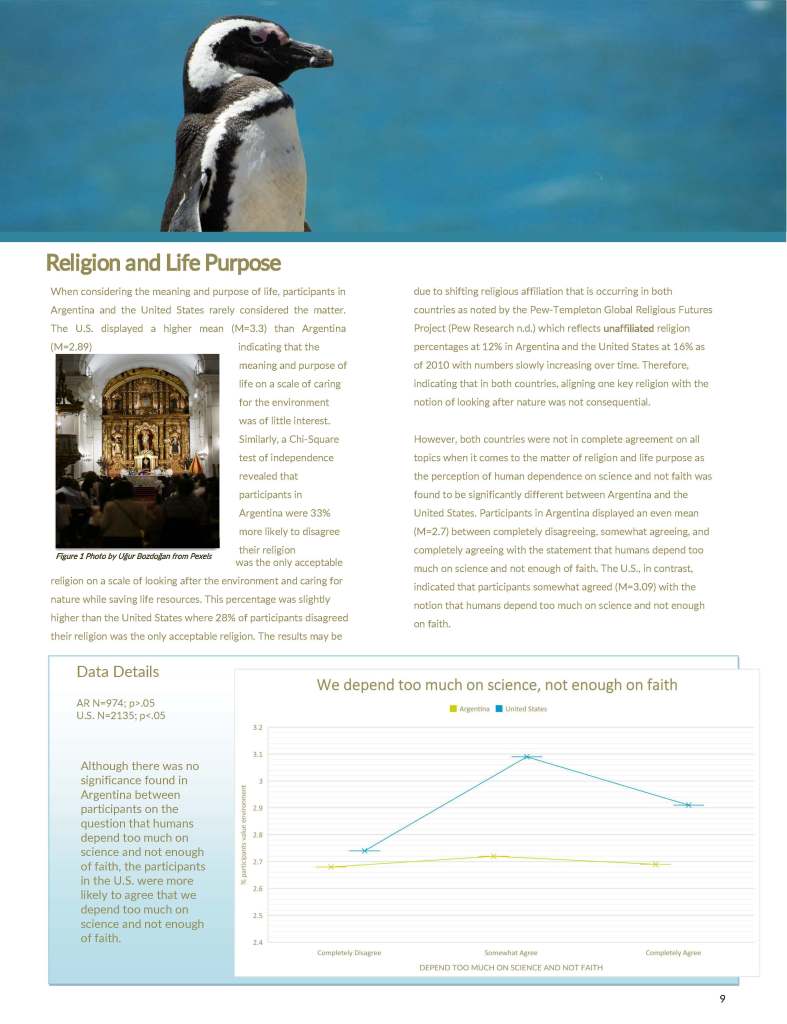
A total of 47 variables were selected for comparison from the survey and were processed using the program Statistical Package for the Social Sciences (SPSS). Of the 47 variables chosen, 34 showed significance between the two countries. This led us to identifying six categories that were presented in the final report: environment, politics, science and technology, economics, religion and life purpose, and personal and family values.
Upon completion of our research, findings suggested that Argentinians tend to care more for the environment as compared to residents of the United States which satisfied our hypothesis.
Below you will find a portion of the completed report I designed and adjusted for my classmates and I once the data and text were added by each person in the group. Additionally, the PowerPoint presentation is also included for you to view.

Food Insecurity in College
During the
COVID-19 Pandemic:
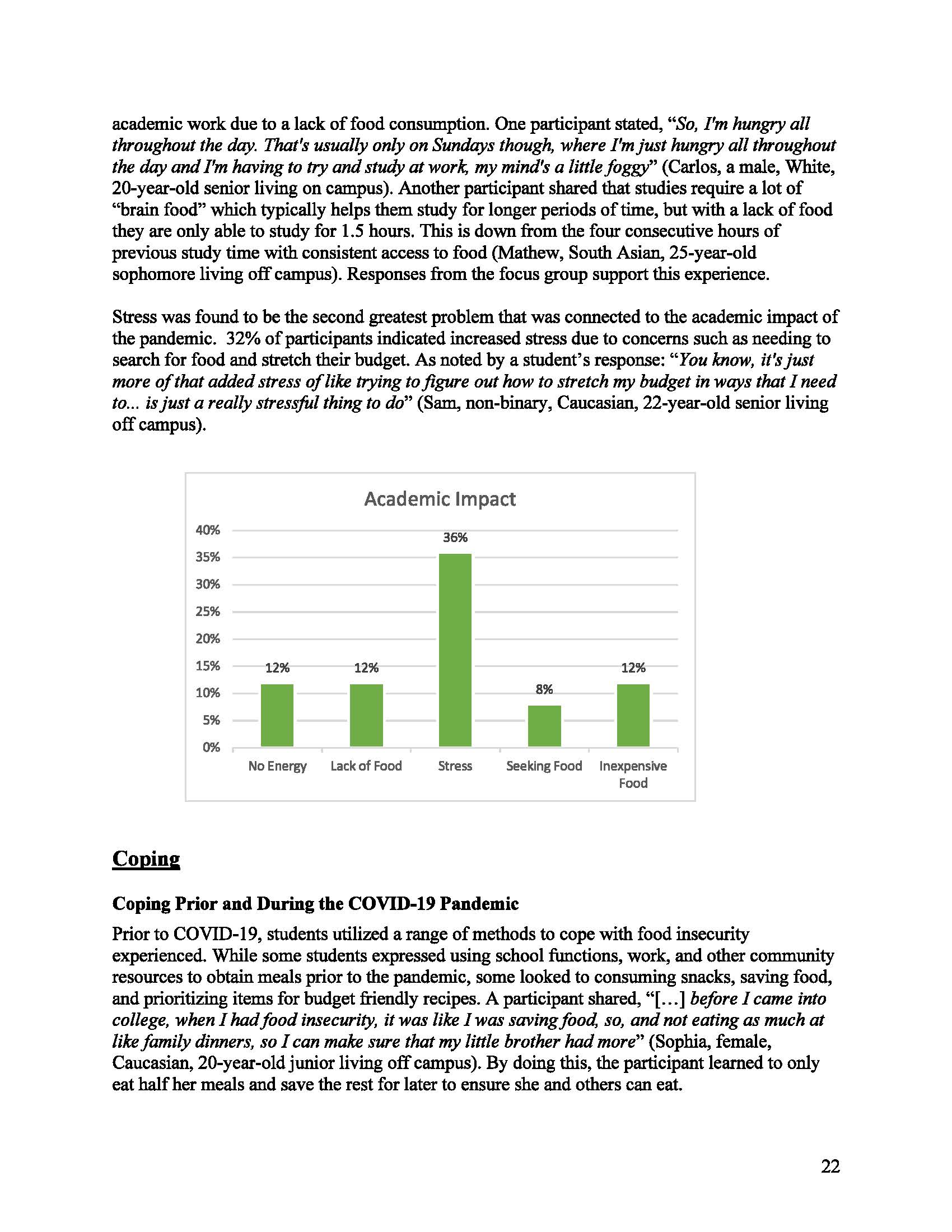
The COVID-19 pandemic affected a wide range of communities across the globe, and college students in the United States were no exception. Several college students faced job loss, housing and food insecurity among social and family dynamics that were negatively impacted.
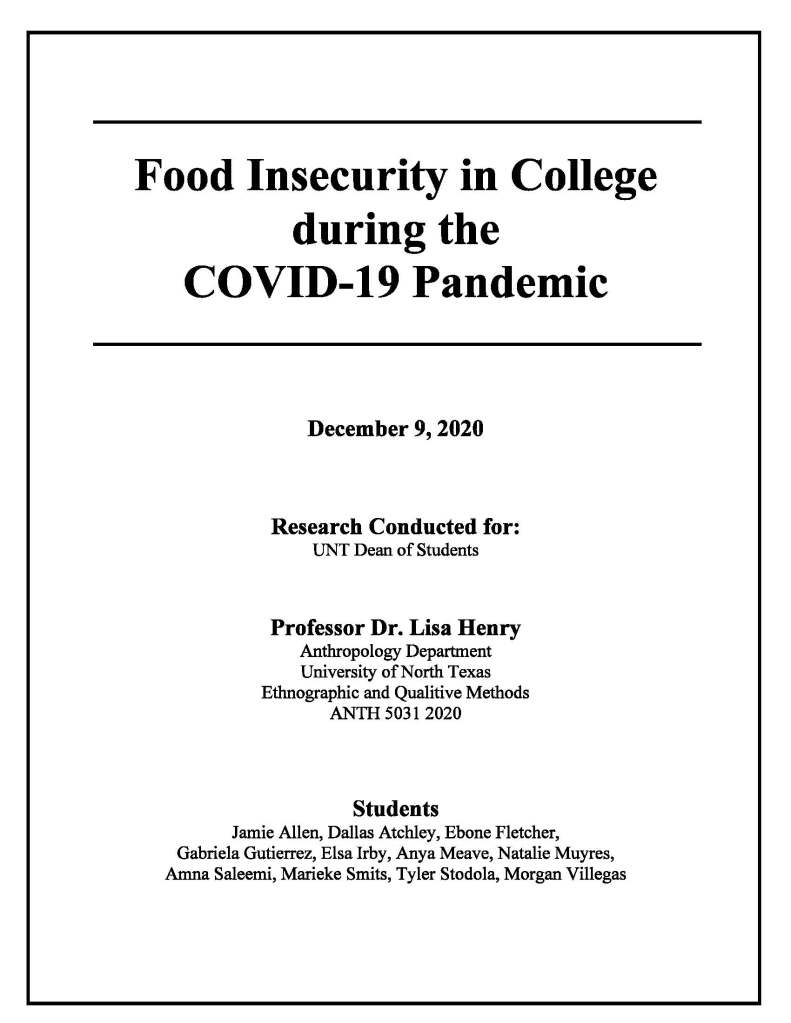
To further understand the depth of student problems at the height of the pandemic, my classmates and I, under the direction of Dr. Lisa Henry as the Principal Investigator, looked further into FI matters students encountered at the University of North Texas (UNT) just as schools closed for in-person classes and employers shuttered their doors. The project was requested by the Dean of Students at UNT to gain a better idea on the number of students that were not only food insecure, but also were not aware of on-campus food resouces offered by the UNT Food Pantry.
A total of 25 individual students and one focus group from the university participated in the study. Demographic information collected identified students from various ethnic backgrounds such as Latino, Asian, African American, European American, and Middle Eastern. Gender identities included female, male, and non-binary while the ages of participants ranged from 18 to 49.
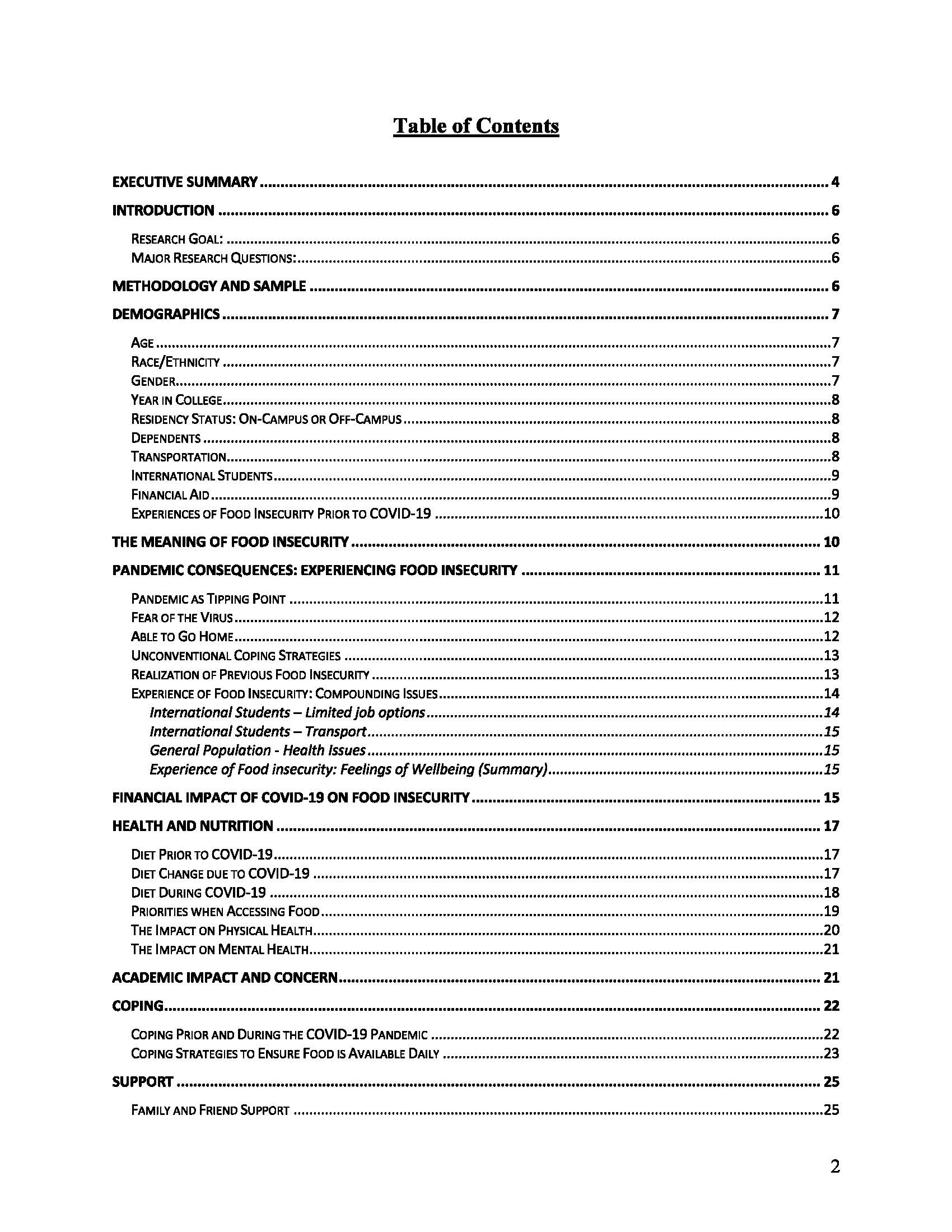
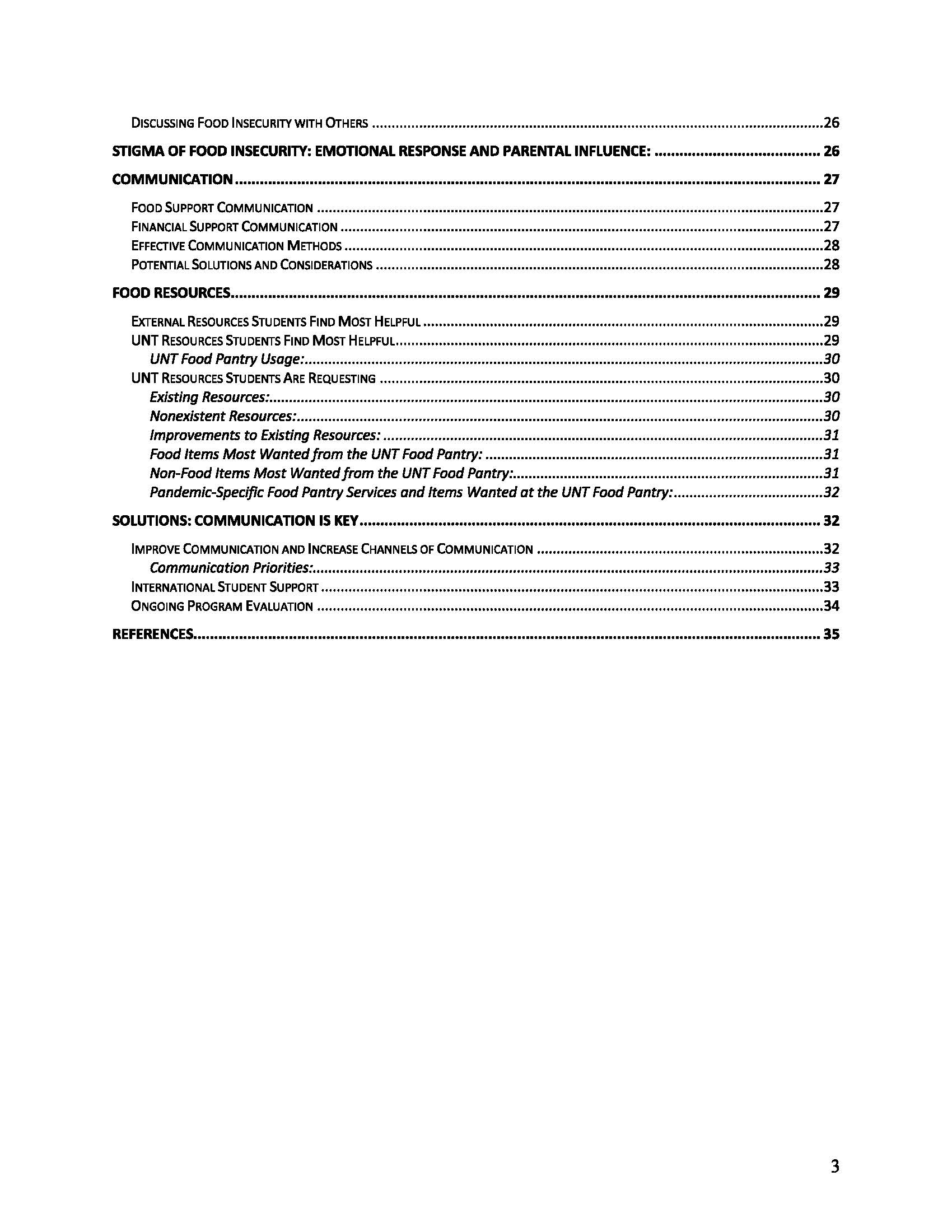
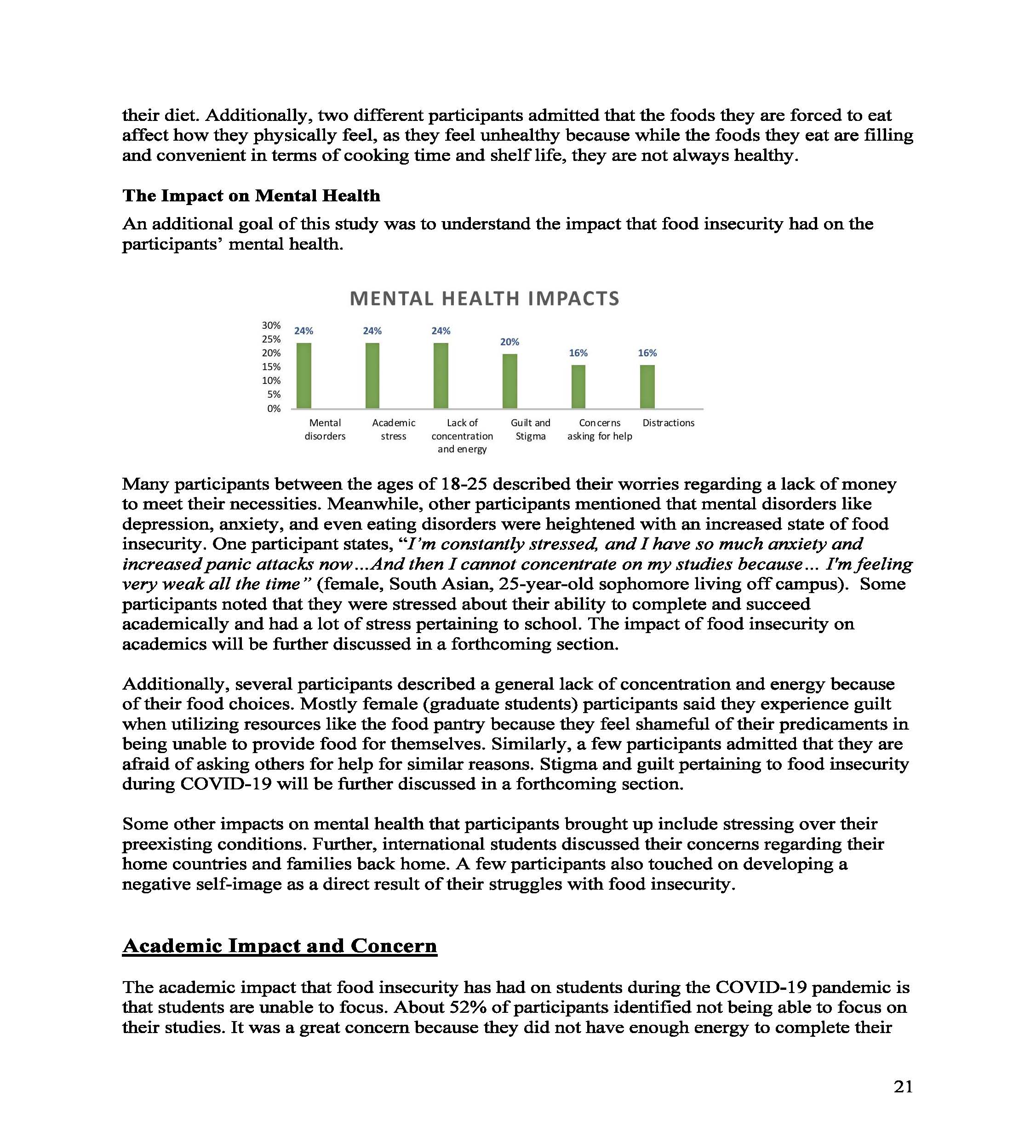
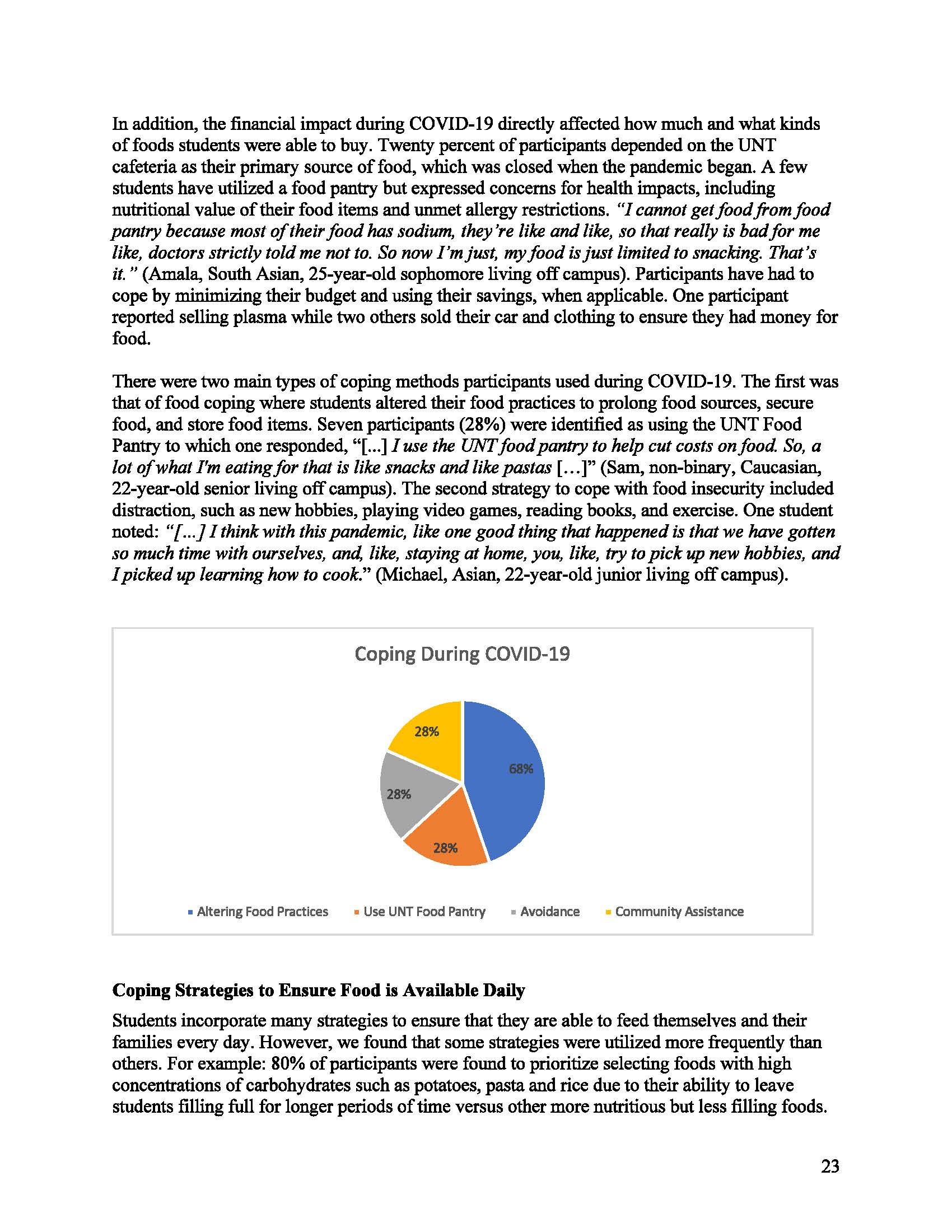
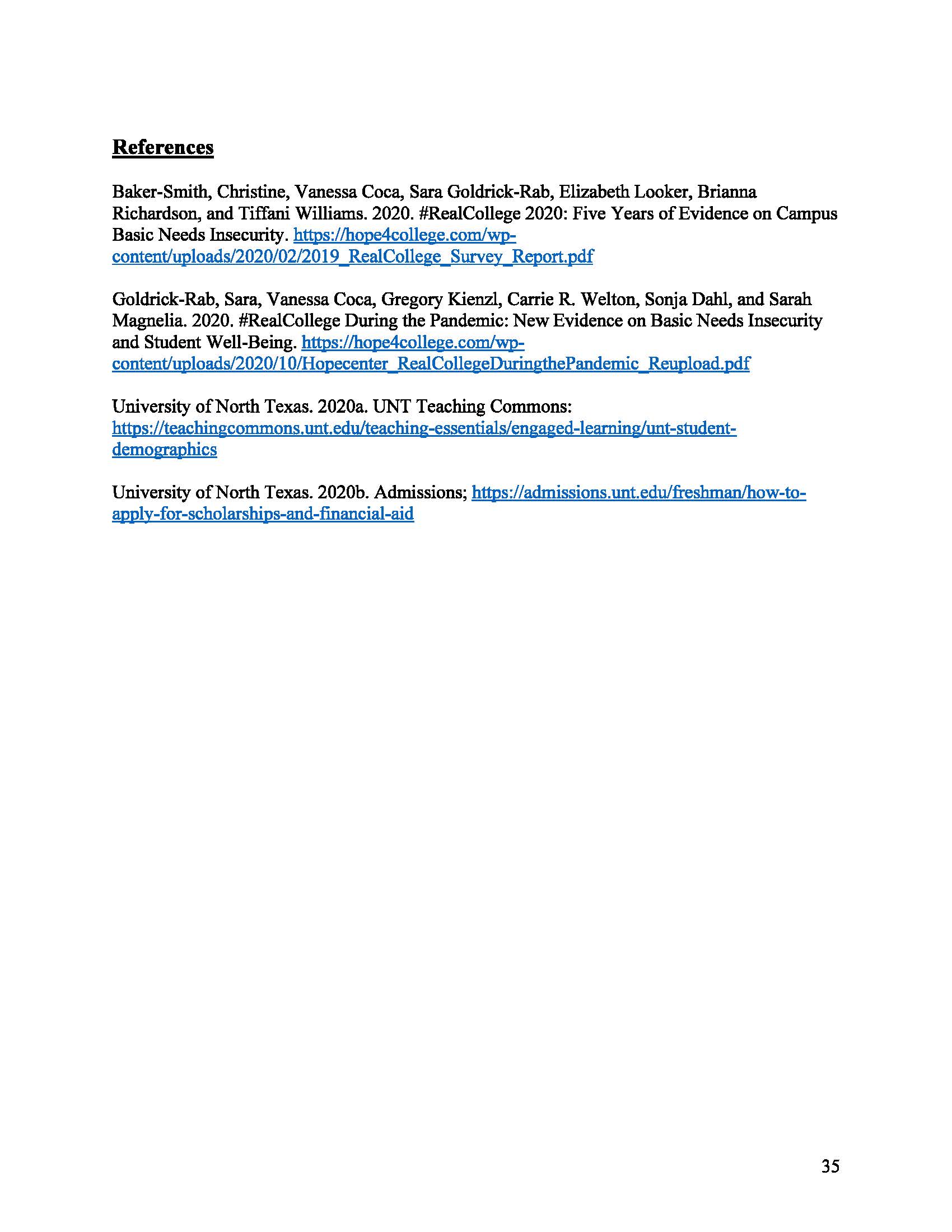
Findings generated from the study yielded a 34-page report centered around topics such as health and financial impacts on FI, coping methods students used to manage limited access to food sources, and food resources that were available to students both on and off-campus.
The finalized report was presented to the Dean of Students at UNT along with a PowerPoint slideshow The finalized report was presented to the Dean of Students at UNT along with a PowerPoint slideshow that highlighted important data discussed in the report. Furthermore, findings were also presented by two colleagues and I at the 2021 Society for Applied Anthropology Conference that took place in March 2021. Below you will find a snippet of the report that was presented to the Dean of Students and the PowerPoint presentation shared with attendees at the conference.
Demographic Analysis:
During my recent internship at my local American Red Cross chapter, I had the opportunity to assist in so many projects that permitted me to learn invaluable skills while being able to contribute my anthropology knowledge.
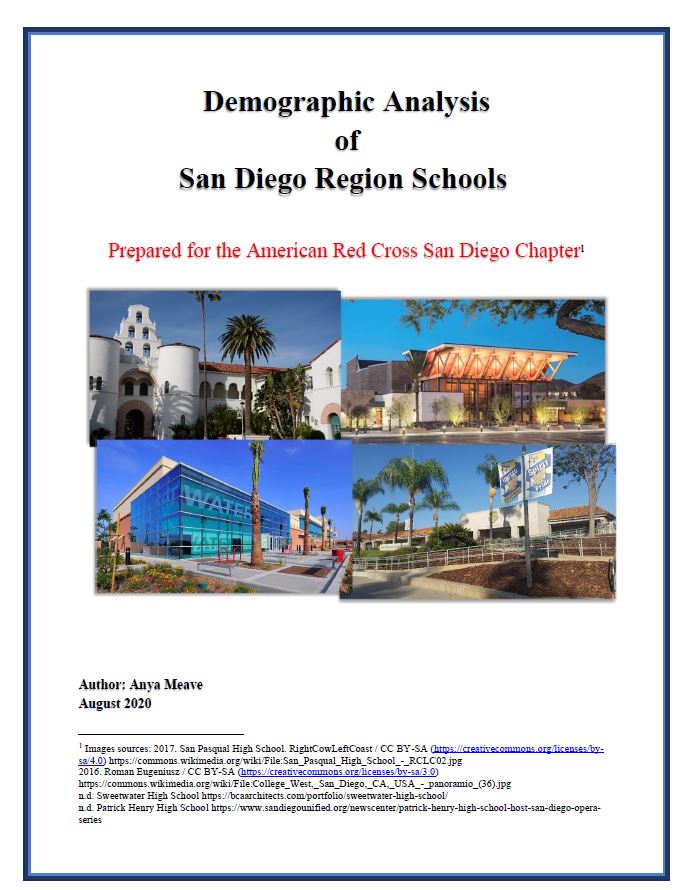
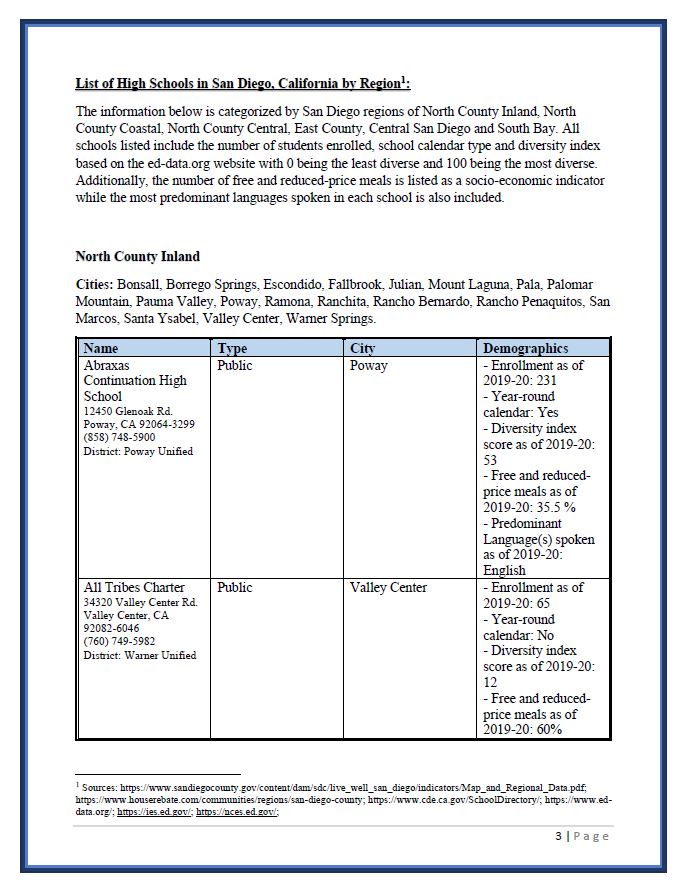
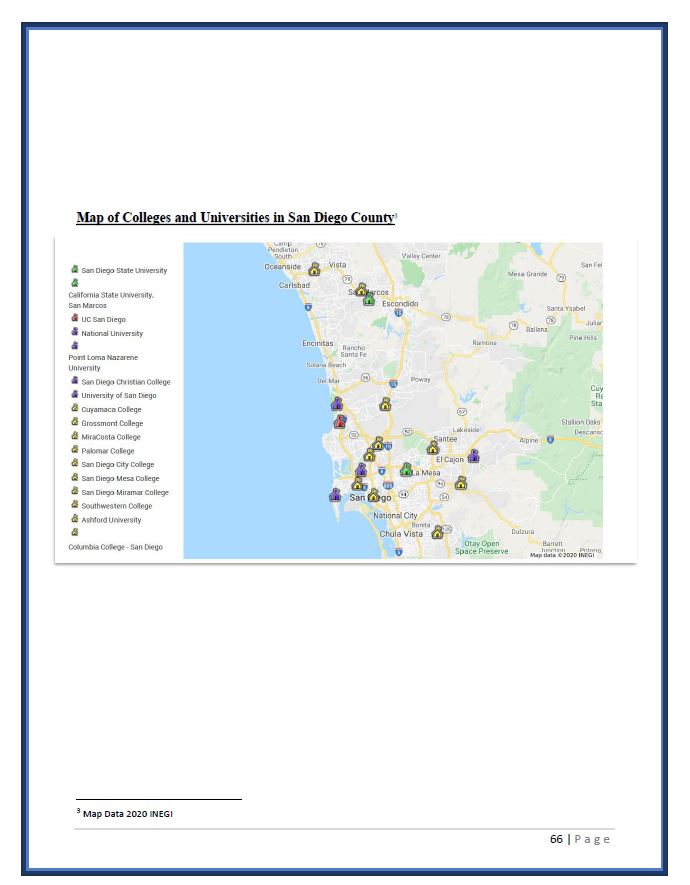
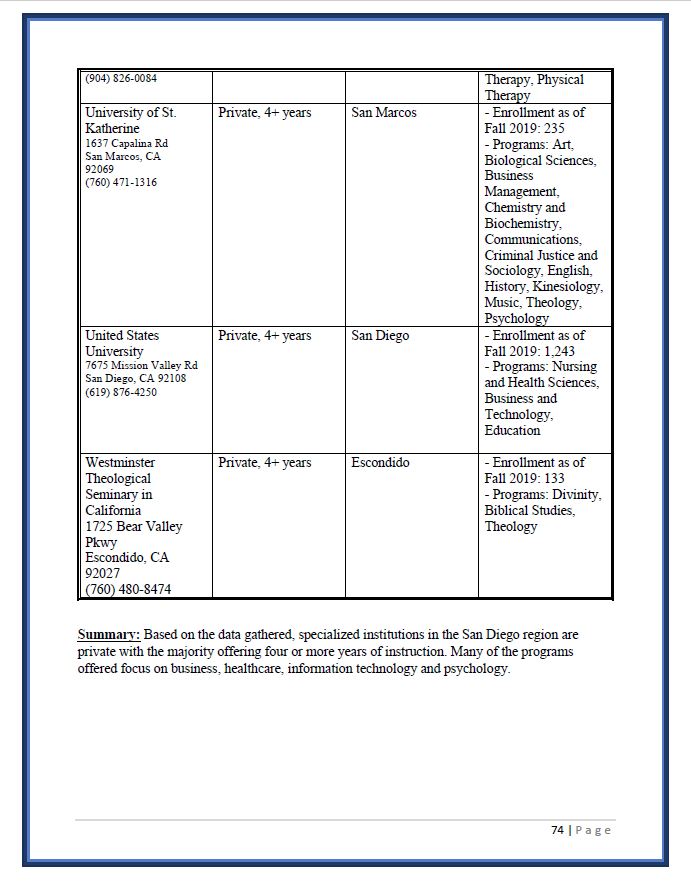
One of the projects I had the opportunity to create for my local chapter was that of a demographic analysis report on area schools and institutions. The 74-page report contained a range of information such as the enrollment rate at each school and a diversity index to identify the various ethnic communities that exist in San Diego.
The information I gathered derived from online resources that I found on county and state websites. Demographic and statistical information was also obtained from national websites such as the National Center for Education Statistics. Therefore, my research was conducted fully online which was beneficial during this time.
Once the report was completed, I delivered the report to my supervisor for review and approval. The feedback I received was positive. Per my supervisor, the report will be used for volunteer recruitment purposes which is vital to the organization. In addition to recruitment, the document will also be used as a model to create more demographic analysis reports throughout the Southern California region to help identify the different communities that exist in each county.
To view an example of the report that I created, please click on the images below.

Casa de Piedra Dam Case Study:
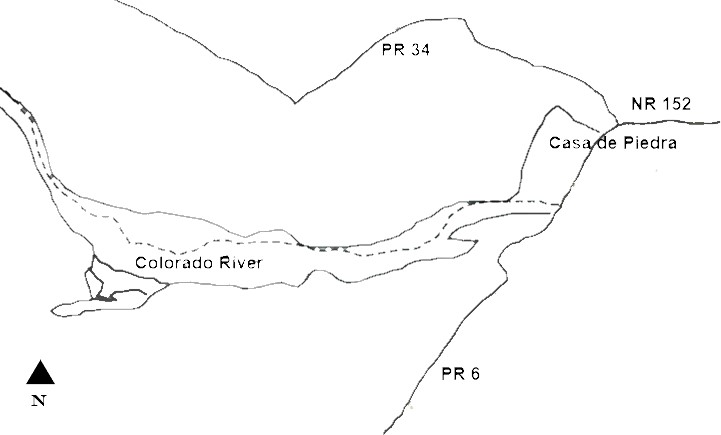
During the spring and summer of 2019, I participated in the Oregon State University Dam Impacts Database project as an intern. The project focuses on the the environmental and social impacts dam development and its operations have on different regions around the world. Because of my interest in environmental impacts in Latin America, I created a brief case study on the Casa de Piedra Dam in Argentina for the project (I am listed as contributor). To view the case study, please click on the PDF. For more information about the project, please visit https://did.oregonstate.edu/home.
Identity Through Food:
The Identity Through Food project was completed for my Food in World History class at Oregon State University. Research on the origins of the food ingredients used for the vegetarian chile relleno with red rice dish was conducted to give the reader and viewer insight into the history of food, but specifically this dish. The reason I chose to present this recipe is because of my ethnic background and my interest in Latin American culture. To get a full perspective on the what the project entailed, please click on each media file to review.
Food and Culture:
Aside from environment-human relationships, the study of cultural foodways was has been of great interest throughout my anthropology studies since food plays an important role in the survival and identity of each person around the globe. Therefore, several research topics selected for class projects were based on the topic of food and required extensive academic research. To view samples of my work, please click on the files to the right.
Chicha: South American Beer https://chicha-south-american-fermented-beer.jimdosite.com/
Freelance Videography:
During my media studies at Southwestern College, I often freelanced for a local newspaper, The Chula Vista Star News, photographing local events at first before moving on to videography. Much of the videos I created were of local events that occurred throughout the year. To view the videos I created for the newspaper, please click on the YouTube website link to the right.
YouTube – Anya Meave https://www.youtube.com/channel/UCXu32r_1NWz53oi5LgSh7mw/videos
 Anthrolatina