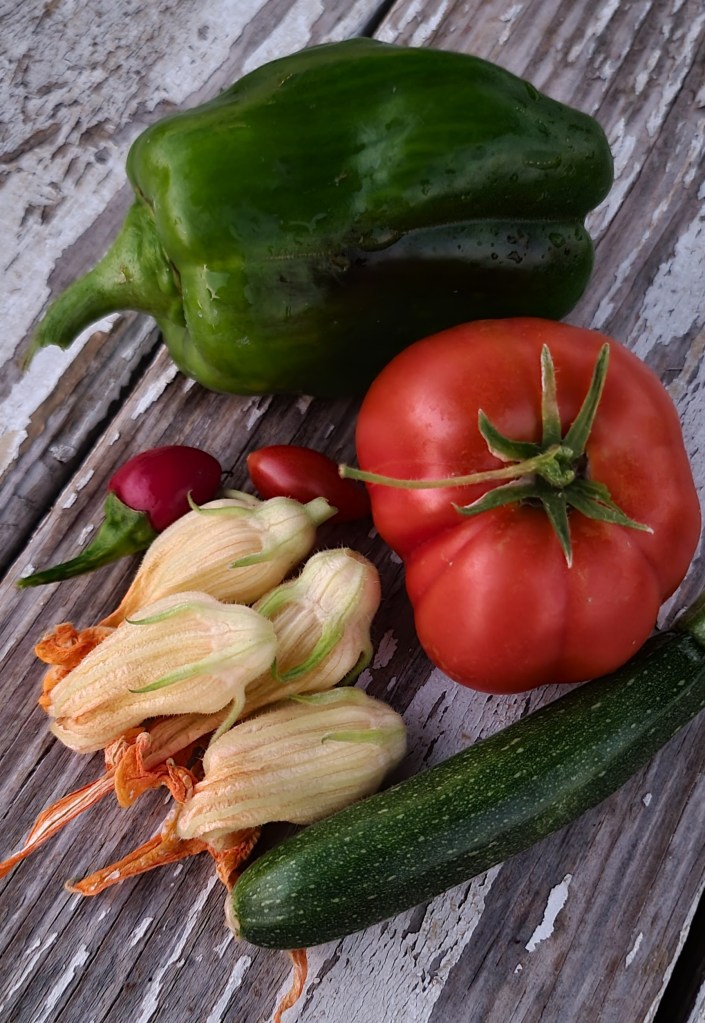
Food cultivation can be a labor of love for global residents who can afford to grow crops in their yard for leisure, but on a larger scale, food cultivation can be taxing in many ways. Specifically for farm employees that are exposed to a variety of outdoor elements while picking food that humans consume on a daily basis.
In the United States, about 73% of farm laborers derive from a country outside of the U.S. Each one is essential to the food chain since many U.S residents express little interest in the farmworker role. However, per the U.S Department of Agriculture, the number of non-U.S. born workers has been on the decline particularly from places such as Mexico where the majority of farmhands have generally derived from. With a competing agriculture sector in Mexico, and new generations no longer seeking to work as food cultivators due to improved education in the country, the U.S. is hard pressed for farm labor and seeking new solutions. New bills such as the Farm Workforce Modernization Act (FWMA), which is still waiting for bipartisan support in the U.S. Senate (it passed in the House) seeks to address the issue of declining, non-U.S. born farmworkers.
The FWMAs goal is to revise the current workforce methods that are in place which exclude farmhands with H-2A status, permitting laborers to fill temporarily roles in the country throughout the year. With the FWMA in place, farmhands with an H-2A status would be permitted to work and possibly even obtain legal status in the U.S. if a continuous history of farm work is present. The bill sounds good, but where is the problem?
Opponents of the bill are concerned with one issue which is the possibility of workers suing their employers if laws are violated. This points to opponents being more concerned with protecting producers who may break the law instead of the wellbeing of their employees. In short, there appears to be a lack of concern by opponents for human rights.
It has been known that farmworkers receive little pay for the work they conduct on a daily basis. Exposure to chemical use in fields and to outdoor elements create dangerous work environments that employees are generally unaware of, especially when language barriers and little knowledge about producer practices in the visiting country are known. Implementing policies that protect workers is vital to a healthy food chain, especially when laborers are at the inception of the process but are unfairly compensated and treated for the taxing work they conduct.
As consumers, we generally emphasize the food to mouth process. Rarely is there a focus on the cultivation process and the protection of people who supply the food we adorn our tables and fill our stomachs with daily. If food chains are to be improved, then it must start at the beginning, to ensure sustainable practices are established from seed to cultivation by the same strong hands that descend from abroad.
Gracias!
 Anthrolatina
Leave a comment