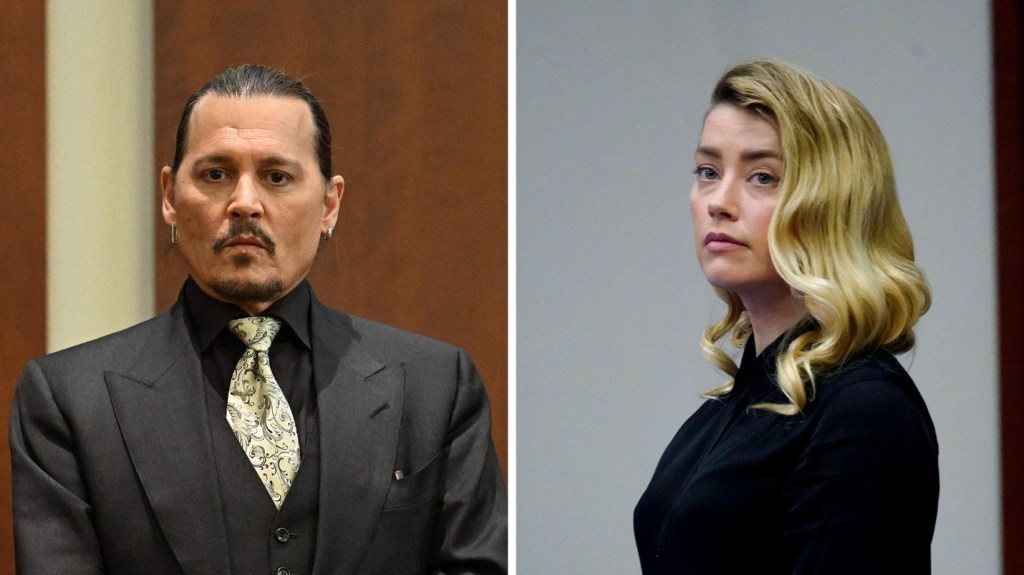
The trial is finally over, and the jury is now deliberating. We will soon know the verdict in the libel suit of Depp vs. Heard case.
Six weeks of witnesses taking the stand to recount their experiences in support of Depp or Heard allowed many who are often not interested in court cases to peer inside the courtroom via a screen to learn how court systems work and identify possible warning signs of a bad relationship. Although there were celebrities that expressed the case should not be viewed as entertainment and that nothing could be learned from the case, there was much the trial taught viewers.
For example, for anyone who has never made it inside a courtroom, the trial served to teach viewers unfamiliar jargon such as proffer and demonstrative. Seeing how examinations and cross examinations occurred were also displayed giving audiences that tuned in at any point insight into how witnesses are questioned about their experiences. Viewing how and why lawyers objected to questions and responses, and whether the objection was sustained or overruled, taught people common formalities that occur during a trial.
In addition to learning processes inside a court of law, the case contributed to social activities that created connections between fans spanning several generations. This was not only done outside of the courthouse where people waited to catch a glimpse of each party, in particular Depp, but also through social media platforms such as TikTok, Instagram, and Twitter. Content creators generated videos highlighting aspects of the case and/or created memes using Depp or Heard’s likeness to connect their expressions to mishaps one might experience in life. In some instances, a witness response would open the door for creative interpretations to be created, humoring followers, and contributing to social discourse.
Another opportunity the televised trial presented was that of comprehending possible warning signs of a bad relationship, that abuse can happen to anyone, and the importance of speaking out when abuse occurs.
In reviewing the comments on the three social media platforms I previously listed, I often came across responses from individuals who identified as male that shared their experience of being a victim of abuse in past relationships. However, since the abused identified as male, it was difficult for them to speak up. This was attributed to the possibility of not being believed and the feeling of shame the experience may generate since the concept of a male being abused is thought to be uncommon. This item is important to note because of social ideologies that claim only certain populations are prone to abuse (women, children, LGBTQ), while individuals viewed as ‘strong’ or ‘big,’ such as humans who identify as male, are not. Applying these ideas can be damaging and can deter communities from teaching ‘strong’ individuals from speaking up, even though abuse is present.
Overall, the trial provided members of the public with the chance of learning about court systems and building awareness on the topic of abuse while expanding social circles across varying age ranges. It also lent to the importance of benevolence, an attribute that is vital in a world where it feels like civility is slowly dissipating.
If you or anyone you know is experiencing domestic violence in life, consider contacting the National Domestic Violence Hotline is available at 800-799-7233 or SMS: Text START to 88788.
Gracias!
 Anthrolatina
Leave a comment