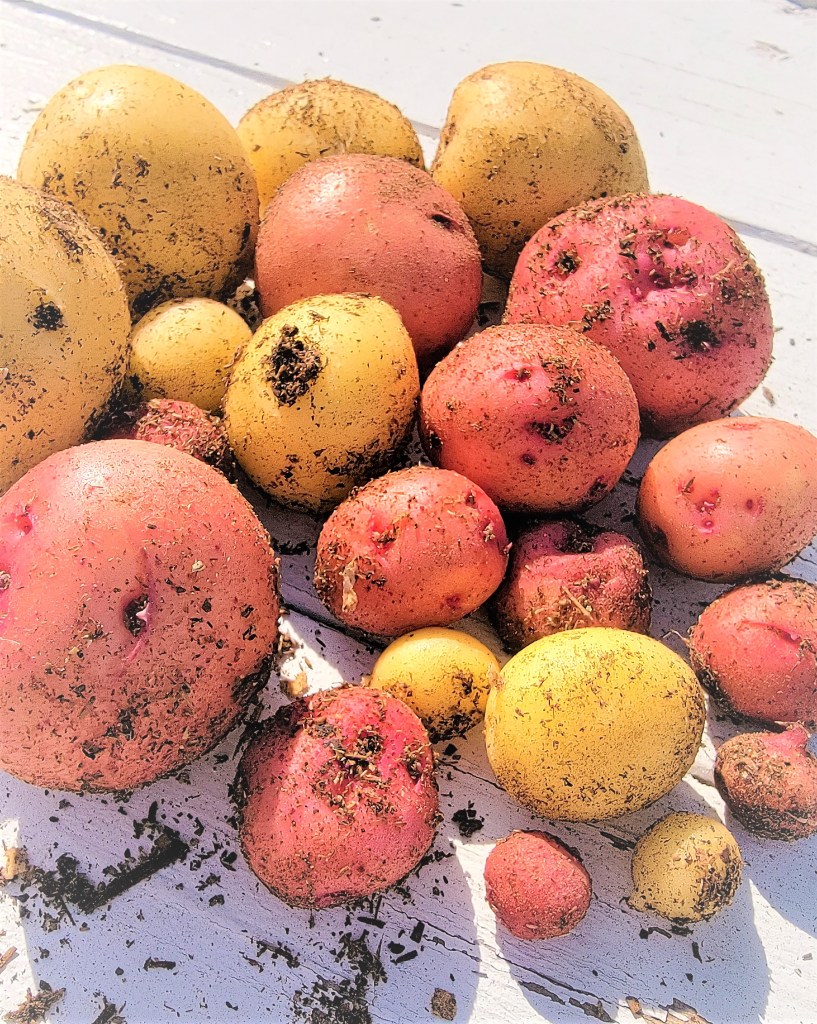
A few months ago, I completed a series on my Instagram page, clever.grasshopper, on foods native to the Americas. As an environmental anthropologist, I am aware that foods such as tomatoes, squash, beans, corn, potatoes, and different types of berries have their roots in the Americas since several indigenous groups have cultivated and consumed these foods for centuries. However, it did not dawn on me until I completed the series that many of the foods consumed in great quantities around the globe originated in the Americas and are a staple in various ethnic cuisines. Items such as peanuts and peppers may often be found in Asian dishes while several countries throughout Europe produce some the finest chocolate treats.
My research often led me to wonder how much of the global population is aware of where their food originates from, and if such knowledge would help people embrace ethnic differences more than, say, music or movies. Food is something all humans need to survive. Humans love food, and many enjoy sharing the experience of consuming food in a setting around strangers. We even appreciate watching cooking shows which is why there is such a huge market for it, but that does not necessarily translate to a person knowing where their food derives from historically or induce acceptance of another culture.
Since food is a doorway to another world, learning about the origins of what is served on our plates or in our cups is important to understanding people outside of our home. Such knowledge may be the first step in breaking cultural barriers through what makes our bellies content. If food history were weaved into the lessons we receive at an early age, then perhaps we would have a broader sense of the world and how varied each landscape is, rather than limiting our view of the Earth and its inhabitants.
Here are a few snippets from my posts:
Tomatoes:
“It has been known that tomatoes grow best in warm seasons and climates, including here in Southern California, but did you know that it was once believed that tomatoes could only be consumed in warmer climates? Moreover, that tomatoes were poisonous? The tomato, or tomatl (Nahuatl language), originated in the Americas and were enjoyed by many native populations including the Aztecs in Mexico. However, when European explorers began growing tomatoes in the Old World after transporting seeds from the Americas, they began falling ill after eating the fruit on pewter plates. This was due to the acidity of the tomato breaking down the lead in the pewter. Thus, which poisoned people to death. It even took European settlers in the U.S. a while before they consumed tomatoes because of the myth that tomatoes kill.” – Instagram @clever.grasshopper (Anya Meave)
Beans:
“There are many varieties of beans that exist in the world, but none more prominent than the common bean which appeared to have born more than 10,000 years ago. With origins extending from Peru to Mexico, beans are an essential component to the intercropping system called the three sisters, or tres hermanas and sistema milpa, which consists of planting corn, beans, and squash together. Arqueologia Mexicana notes that beans were a common food present during celebrations and rituals in the Aztec culture, making them a very significant crop in the history of the Americas.” – Instagram @clever.grasshopper (Anya Meave)
Papaya:
“The last item to be highlighted in the foods from the America’s series is the papaya, or mamão as it is known in Brazil. This colorful fruit bearing gelatinous seeds that resemble peppercorns traveled from its origins in Southern Mexico all the way to places like the Philippines and Italy via exploration routes. Humans have found many uses for papaya and its leaves including drying the leaves and burning them to alleviate asthmas symptoms and healing skin wounds after surgery with the use of papaya strips.” – Instagram @clever.grasshopper (Anya Meave)
If you are interested in learning more about the origins of food, visit the Alliance Biodiversity International and CIAT Blog website.
Gracias!
Resources:
n.d. Lopez, Aurora Montufar. Maiz, Frijol, y Calabaza. Su Antiguedad. Arqueologia Mexicana.
Hirst, K. Krist. 2019. The Domestication of the Common Bean. Thought Co. 3 July 2019.
Morton, Julia F. 1987. Papaya. In: Fruits of warm climates. Miami, FL. 336–346.
 Anthrolatina
Leave a comment