The recent fires in California have threatened many communities, structures, wildlife, and naturally, trees. Lighting strikes have been the main reason for fires in many places throughout the state causing more than 500 fires in the region this summer. And although some people argue that increased oil drilling activity contributes to more frequent forest fires, others may not so much.
Before colonialism, Native American groups implemented the practice of controlled burns as a way to keep unplanned fires at bay. This was especially important because dry lightning strikes are common in California forests affecting plants, animals, and trees. However, the suppression of cultural burns led to wildfires growing larger and out of control, prompting scientists and community leaders in some parts of the state to encourage the reintroduction of cultural burning practices by local tribes to reduce the frequency of large fires. After all, Native Americans know the landscape best and they hold traditional knowledge that is important to restoring balance to our country’s natural landscape. So, the reintroduction of cultural burns will not only help conserve traditions, it will also help stabilize the forest ecosystem.
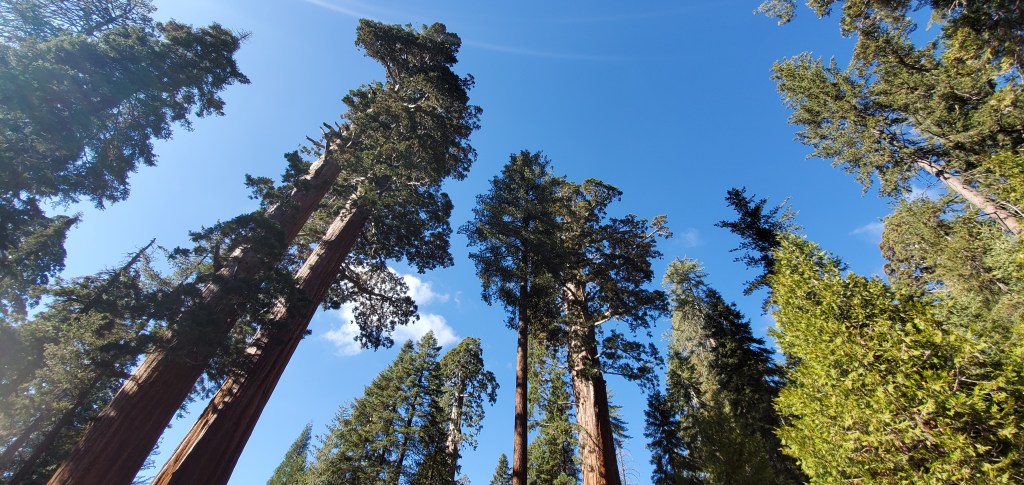
And as the blazes continue to grow throughout the state, many have feared that our majestic Redwood and Sequoia trees have reached the end of their life cycle on Earth, but recent observations by scientists who have visited burn sites confirm that many old growth trees are so resilient that they are still able to stand strong.
This is because Redwoods and Sequoias tend to thrive in fires which are necessary for seeds to disperse as pinecones release the seeds during blazes. Once the seeds are released, they are then able to grab root in the soil while absorbing water that is provided by the blankets of snow that come with winter. The end result is a new budding tree in the spring that slowly grows next to ancestral Redwoods and Sequoias.
The resilience that these majestic trees display is a testament to how nature can thrive under the harshest conditions, despite the looming threat of climate change. And even though the assistance of some humans, and destruction of others, may impact the longevity of forests, nature will always have the ability to balance itself out even after humans cease to exist on the Earth.
If you are interested in reading more about cultural burns and the resilience of Redwood and Sequoia trees, click on the text below:
To Manage Wildfire, California Looks to What Tribes Have Known All Along
Why the Giant Sequoia Needs Fire to Grow
Gracias!

